An engineering fabrication apprenticeship combines paid, hands-on work with structured training, allowing you to develop practical metal fabrication skills while working toward a formal trade qualification.
This pathway suits people who enjoy working with metal, welding, construction and precision tasks, and who like seeing physical structures and components come together.
Whether you’re a school leaver or looking for a career change, a carpentry apprenticeship provides job security, transferable skills, and clear career progression.
What Is a Fabrication Apprenticeship?
An engineering fabrication apprenticeship allows you to earn a wage while gaining real workplace experience and completing formal training.
As an engineering fabrication apprentice, you’ll:
Work full-time with a host engineering or fabrication employer
Complete formal training through an approved training organisation
Gain a nationally recognised qualification in engineering fabrication
Receive ongoing support throughout your apprenticeship
Qualification & Course Details
Qualification: MEM31922 – Certificate III in Engineering – Fabrication Trade Training Type: Apprenticeship Delivery: On-the-job training combined with off-the-job study Training Providers: Delivered through approved Registered Training Organisations (RTOs) Outcome: Nationally recognised trade qualification
Units & Skills You’ll Learn
During your apprenticeship, you’ll develop practical skills including:
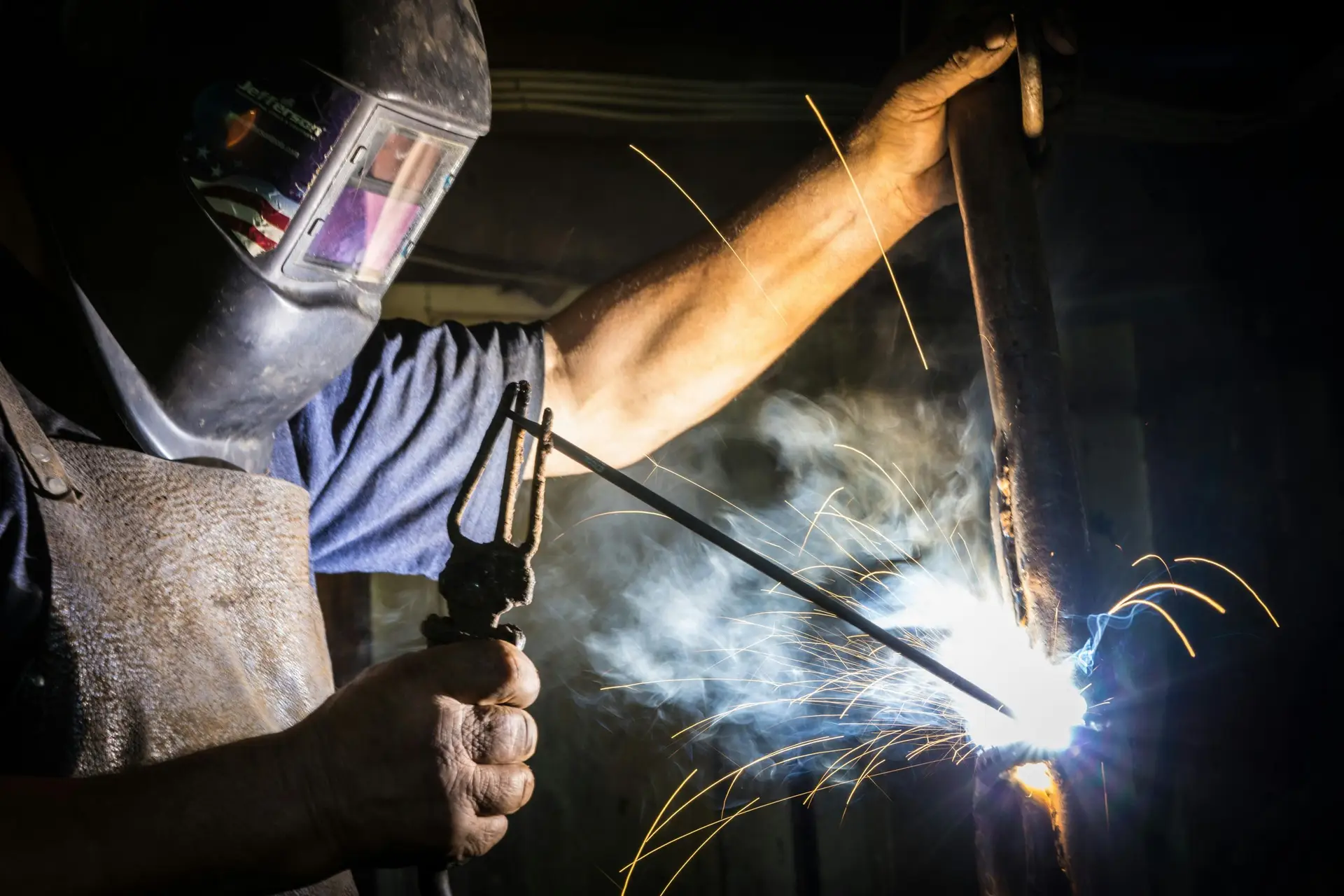
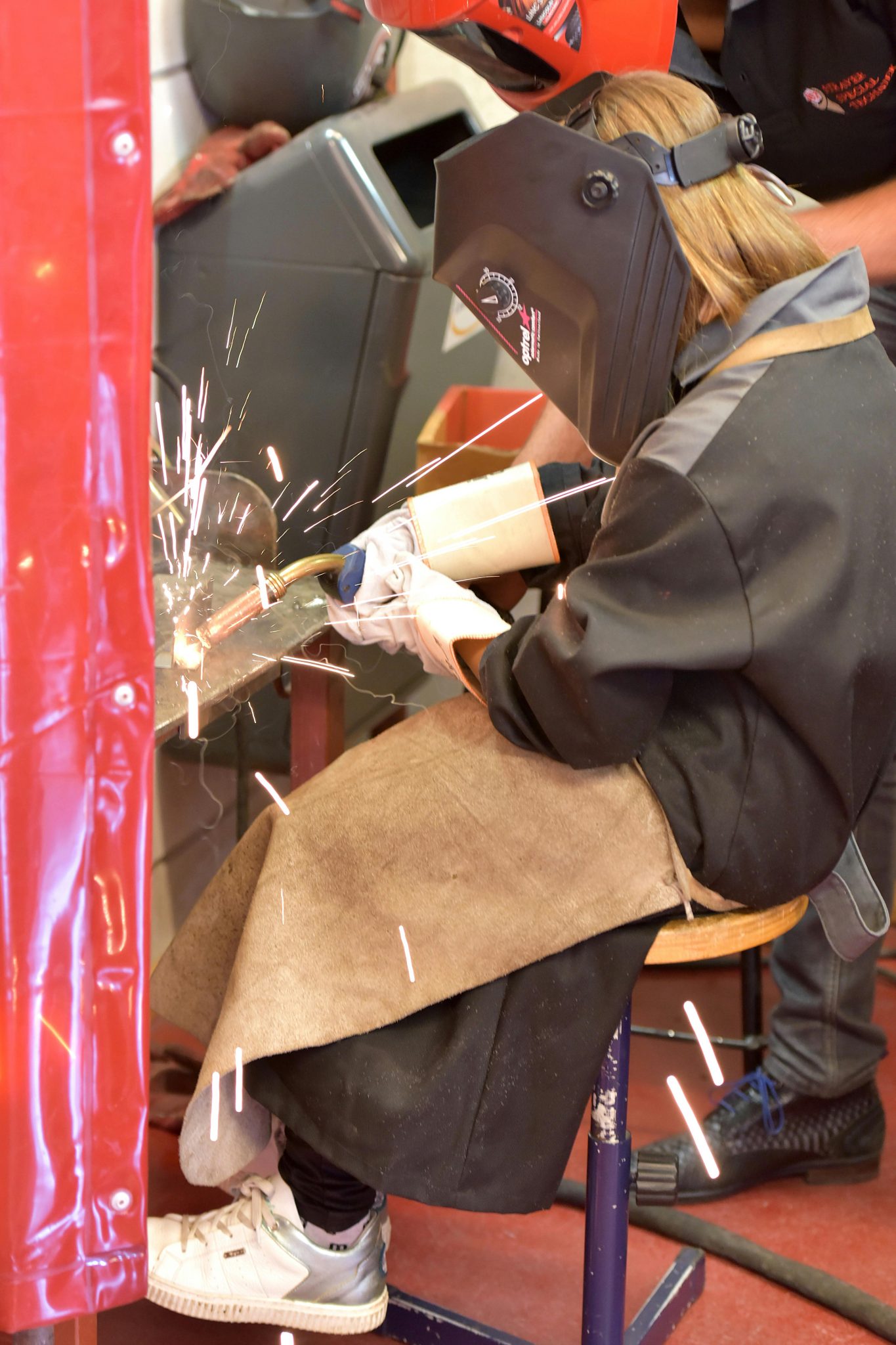
Welding techniques (MIG, TIG, stick welding)
Cutting, shaping and assembling metal components
Reading and interpreting engineering drawings
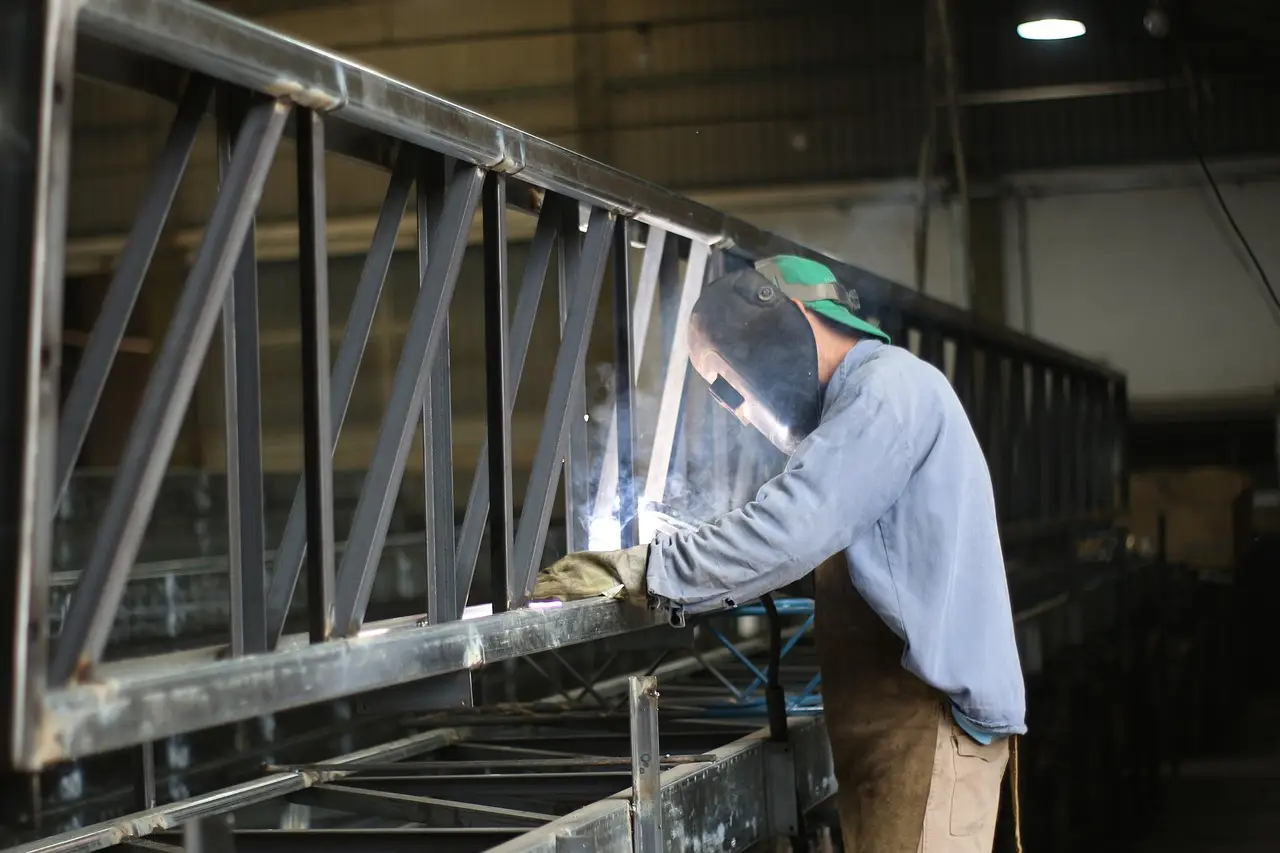
Fabricating structural steel and metal frameworks
Using hand tools, power tools and fabrication equipment safely
Applying workplace health and safety standards
How Long Is a Fabrication Apprenticeship?
An engineering fabrication apprenticeship typically takes three to four years to complete.
The duration may vary depending on prior experience, training arrangements and competency progression.
Engineering fabrication apprentices are paid while they train, with wages increasing as skills and experience develop.
Apprentice wages are paid in line with the relevant award
Pay rates increase as you progress through your apprenticeship
Qualified fabricators can earn competitive wages within the industry
Earnings may vary depending on age, year level, location and employer
Career Pathways & Progression
Completing an engineering fabrication apprenticeship can lead to a range of career opportunities, including:
Fabricator or boilermaker
Welder
Structural steel worker
Manufacturing or workshop roles
Site supervisor or leading hand
Further training and specialist fabrication pathways
How the Apprenticeship Process Works
Apply for a fabrication apprenticeship
Complete an interview and suitability assessment
Be matched with a host employer
Commence work and training
Complete your qualification
Frequently Asked Questions
How long does an engineering fabrication apprenticeship take?
Most engineering fabrication apprenticeships take between three and four years, depending on training arrangements and competency progression.
Do I get paid while completing an engineering fabrication apprenticeship?
Yes. Apprentices are paid while they train, with wages increasing as skills and experience grow.
What qualification will I receive?
You’ll receive a nationally recognised Certificate III in Engineering – Fabrication Trade upon completion.
Do I need experience to start an engineering fabrication apprenticeship?
No prior experience is required. Employers value a strong work ethic, attention to detail and a willingness to learn.
What kind of work will I do as an apprentice?
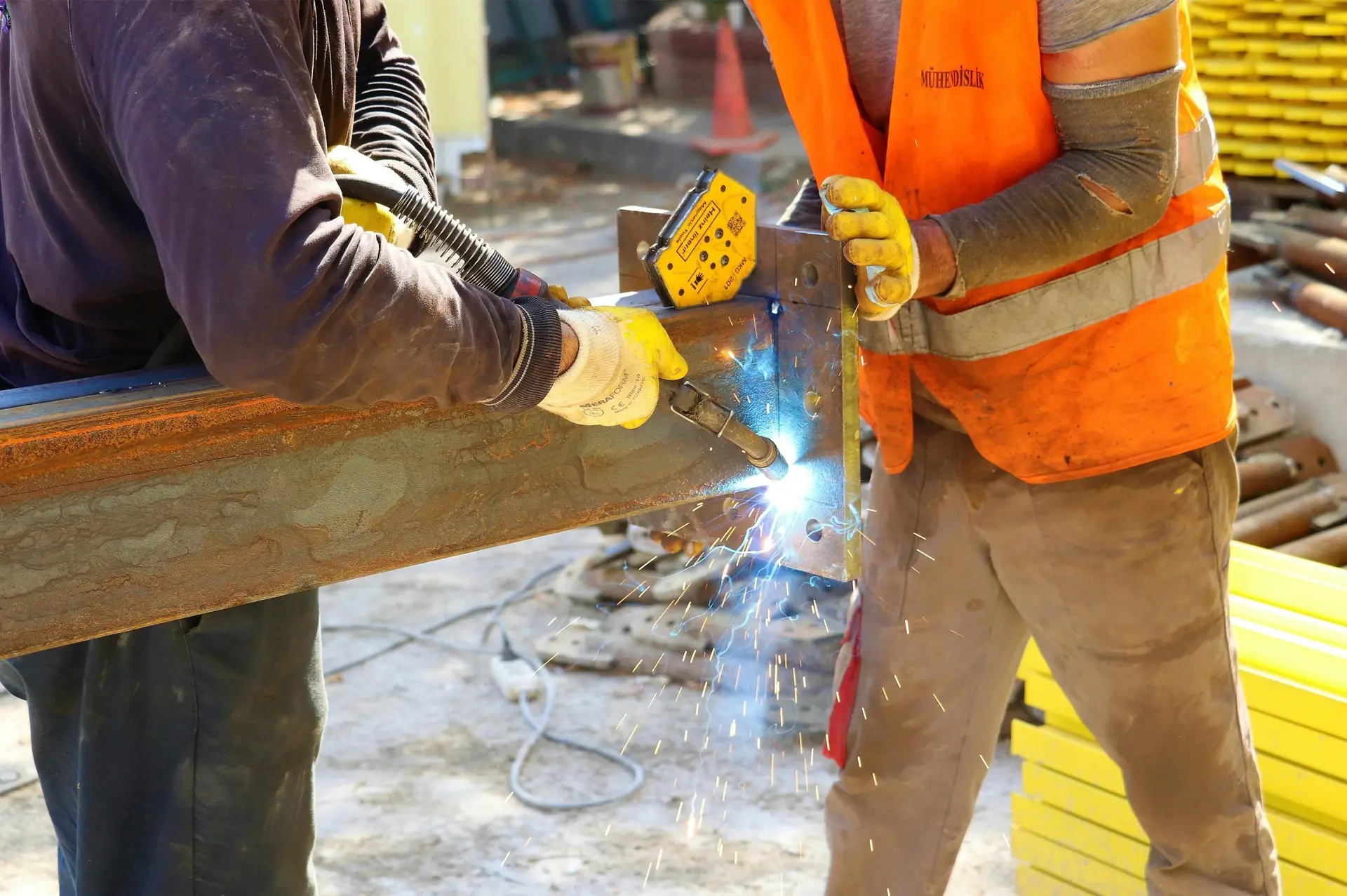
Apprentices work on real job sites and in workshops fabricating, welding and assembling metal components.
Is engineering fabrication a licensed trade?
Engineering fabrication is not a licensed trade in Australia, however formal qualifications are essential and commonly required by employers.
Ready to Start Your Fabrication Career?
An engineering fabrication apprenticeship is a practical pathway into a skilled trade, offering long-term career opportunities across construction, manufacturing and engineering industries.